
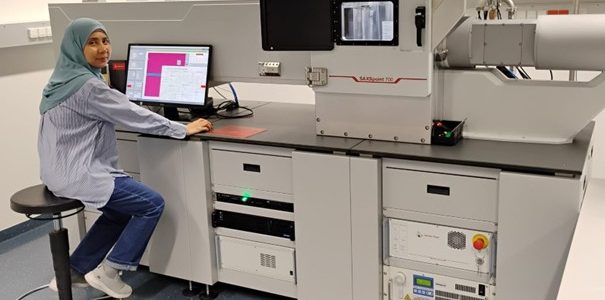
Abstract: Nanocarriers can be built using amphiphilic molecules which are known to self-assemble into lamellar and non-lamellar phases (e.g. cubic and hexagonal) in water. Of these, the bilayer structure of… read more →
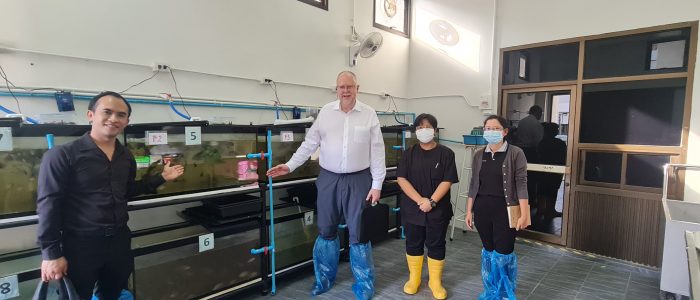
Abstract: Prenylated and non-prenylated naphthoquinones were the main components in D. undulata while similar 1,4-naphthoquinones and 9,10-anthraquinones were found in P. lanceolata. Four of these natural products were described for… read more →
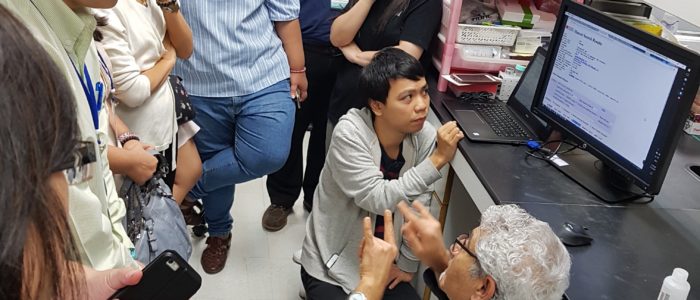
Introduction Proteomics has gained increasing interest in the field of biosciences and has become one of the most growing disciplines within the systems biology. It plays an important role in… read more →
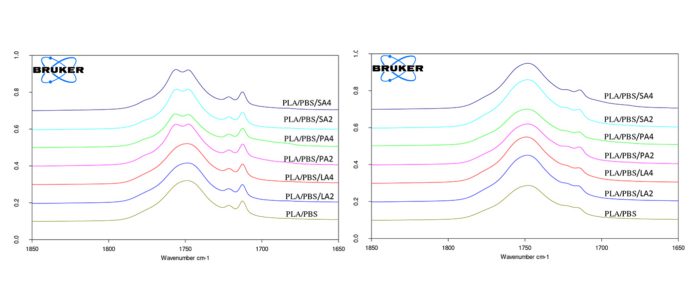
Poly (lactic acid) (PLA) is a semi – crystalline biodegradable, recyclable and compostable polymer. The advantages of PLA include eco-friendly (derived from renewable resources e.g. corn, wheat, or rice), biocompatibility… read more →